The crossing
December 7–13 · Japan
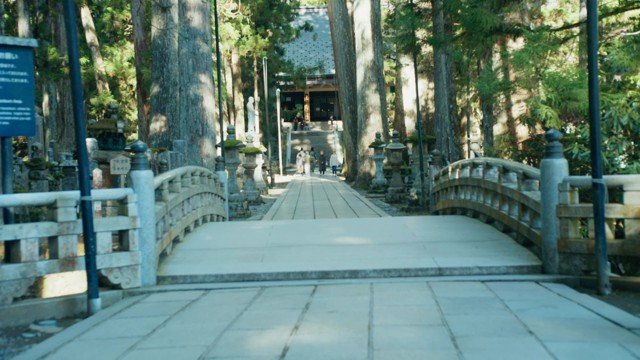
Kumano → Koyasan · December 7–13, 2026
KUNI 2026A Pilgrims’ Gathering
古に耳を澄まし、未来の歩みにゆだねる
There are dreams that take longer than one lifetime to enter the world. They pass through a place, a practice, a succession of lives, gathering form across generations.
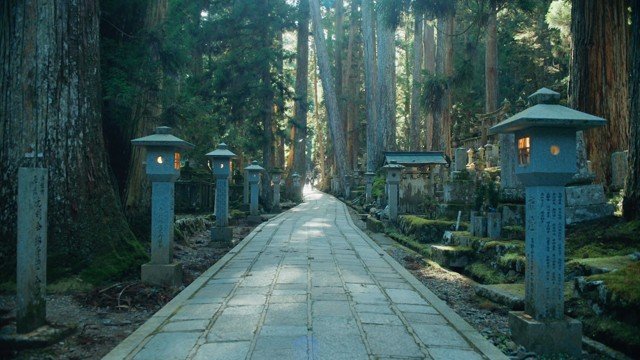
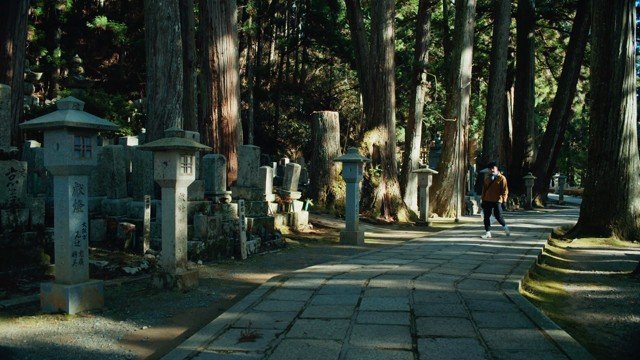
A forest becomes a place of prayer. Stones are arranged around an opening. A path is walked until it can receive people whose world its first pilgrims could never have imagined.
Walk with the passage
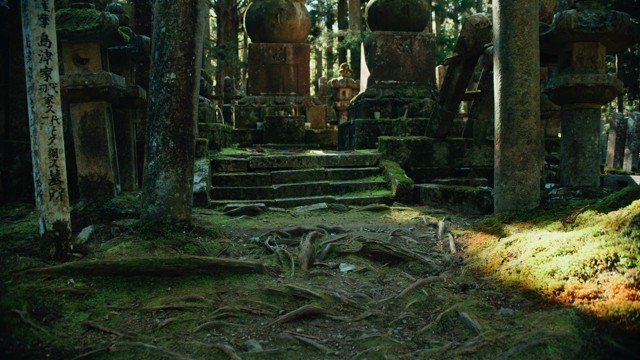
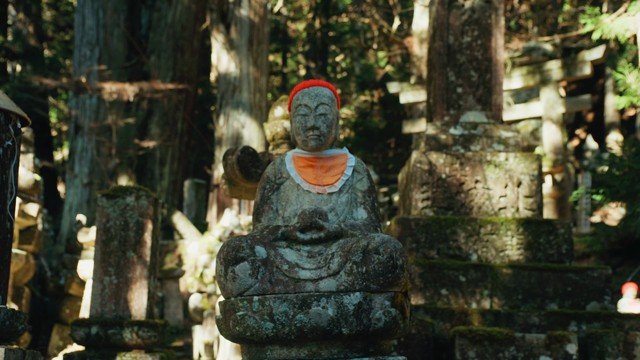
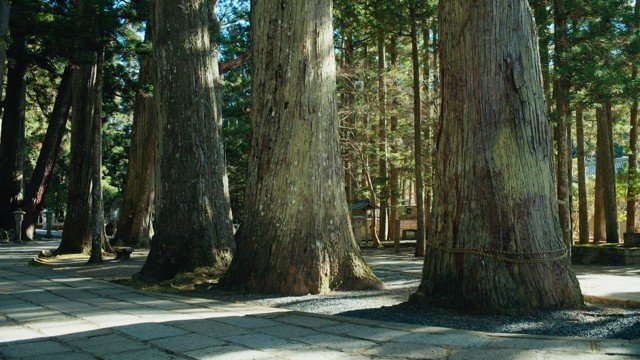
We live within the continuations of such acts. Much of what sustains us was given by people whose names have disappeared. Beneath the arrangements of the present, their offerings are still at work.
Before a teaching becomes a tradition, before an institution acquires a name, before a path is marked on a map, there is an encounter. Someone hears something. Someone answers. A gesture is made whose consequences cannot yet be known.
Again and again, people have tried to give such encounters a form that could endure. Yet every form carries a danger: what was made to serve something living may eventually begin to preserve itself instead.
When the future becomes uncertain, we tend to answer by producing more certainty. We make plans, frameworks, institutions, strategies. There is wisdom in preparation. But there are moments when the next form cannot be derived from the forms we already know.
Then another human capacity becomes necessary: to listen before knowing what we are listening for; to remain near something before deciding what it means; to allow an encounter to alter not only our answer, but the question with which we arrived.
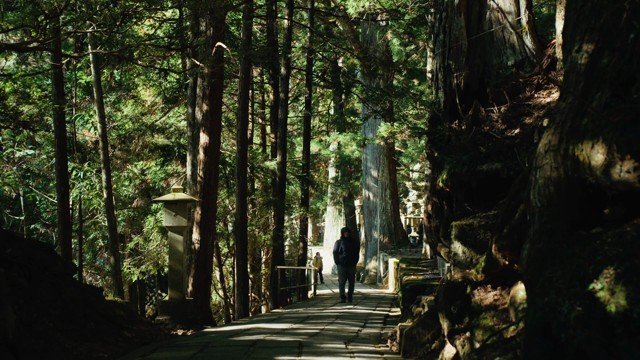
Ancient pilgrimage paths are highly formed—trails and gates, temples and rituals, stories and practices accumulated across centuries. Yet the path does not tell the pilgrim what must happen there. Still, it receives them.
Humanity’s accumulated powers are becoming capable of extraordinary things. Artificial intelligence is entering language, imagination, judgment, and creation itself. Knowledge that took lifetimes to acquire can be summoned in moments; forms that once required years of labor can be generated almost instantly.This does not only ask what humans will do next. It returns us to an older question: from where does something worth being arise?
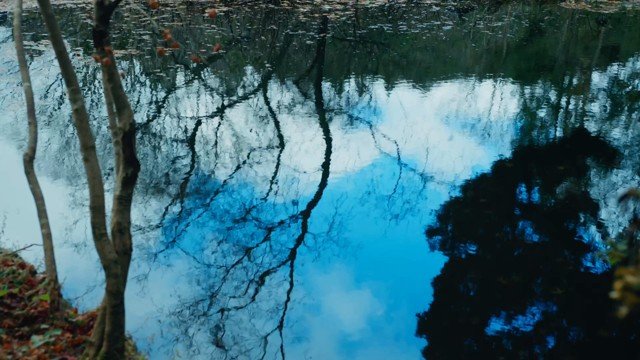
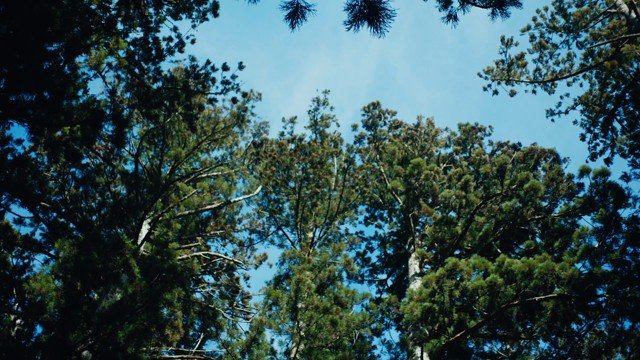
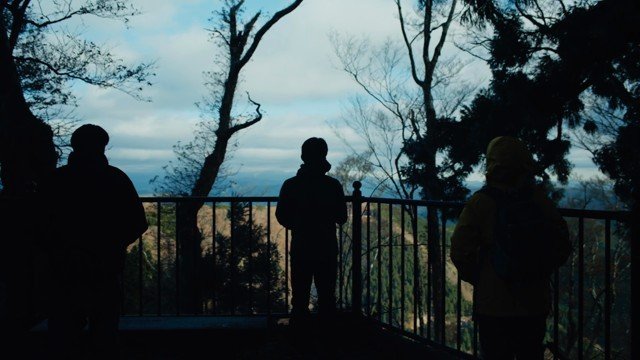
The pilgrimage begins in Kumano, where mountains gather rain and rivers carry it toward the sea. For more than a thousand years, people have crossed this terrain in devotion, seeking renewal amid its forests, waterfalls, rivers, and sacred places.
Here the boundary between death and life grew close. Pilgrimage carried the possibility that something in a person might be laid down, and that life could be entered again. There is time for what we have held firmly to loosen—and for what we have scarcely noticed to approach.
We come from different paths, generations, traditions, and kinds of work. For a few days, we walk. We listen to the land and to one another. We allow questions to remain questions for a little longer.
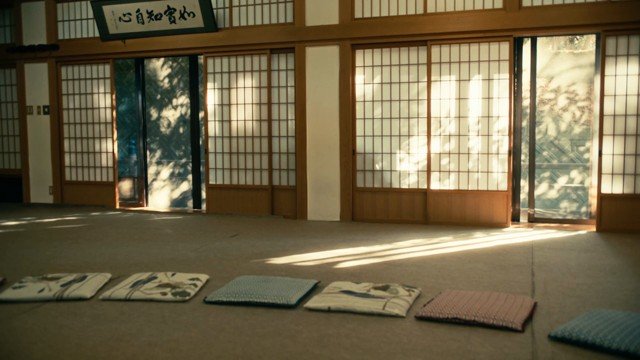
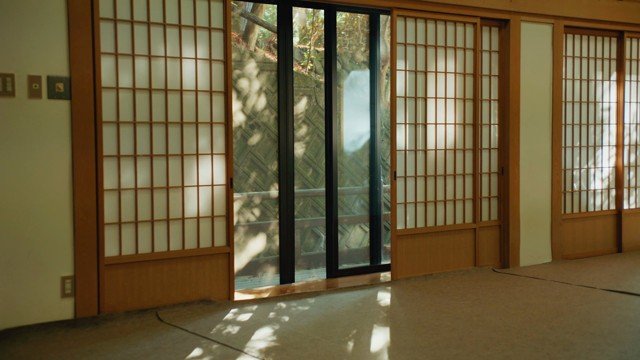
From Kumano, the journey continues to Koyasan, where Kūkai established a place of Shingon Buddhist practice in the ninth century. Here, a vision of the cosmos took form in mountains and temples, in ritual and study, in mandalas and daily disciplines, in a life given to awakening.
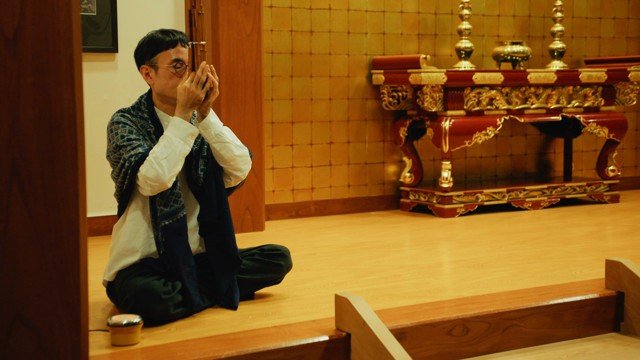
More than twelve centuries later, people still come to pray and practise. Something encountered in one life acquired form. The form crossed generations. Through all its transformations, the mountain remained capable of receiving another life.
Perhaps we have thought too often of the future as something ahead of us waiting to be made. The old paths suggest another possibility. The future may also be something approaching—something for which our task is to prepare a place.
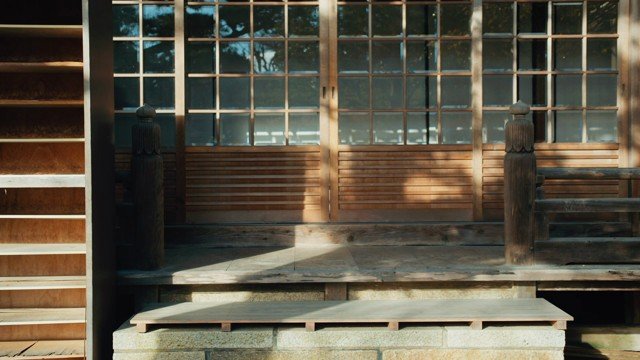
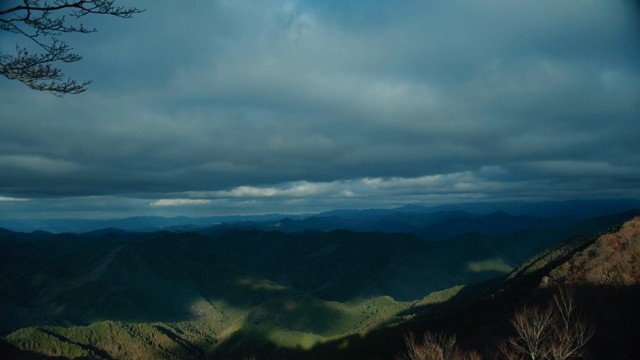
Come with a prayer entrusted to you by someone else, a piece of work whose deeper purpose is still unfolding, a responsibility you are learning how to carry, or something for which you have found no words. We will share time on the path and around circles, in conversation and in silence.
We will not ask everyone to arrive at the same understanding. A circle becomes possible because each person stands somewhere different along its circumference. For a time, their paths may simply cross. Something can pass between them.
The people before us could not know that we would come. Still, they kept the path open. We will not know those who come after us. Still, we can do the same.
The path opens in December
KUNI 2026
A Pilgrims’ Gathering
古に耳を澄まし、未来の歩みにゆだねる
WhenDecember 7–13, 2026
WhereJapan · Beginning in Kumano and continuing to Koyasan
WhoPilgrims from different lands and generations: elders and young people, spiritual practitioners, artists, scientists, educators, founders, and those tending the life of a community, practice, or place.
InvitationIf you sense this gathering concerns you, you are welcome to leave your name ↗