KUNI · A pilgrimage巡礼の記録
2023
The ground of a shared lifeともに生きる、その源へ
Aso · Miyazaki · Kyoto阿蘇・宮崎・京都
November 20232023年11月
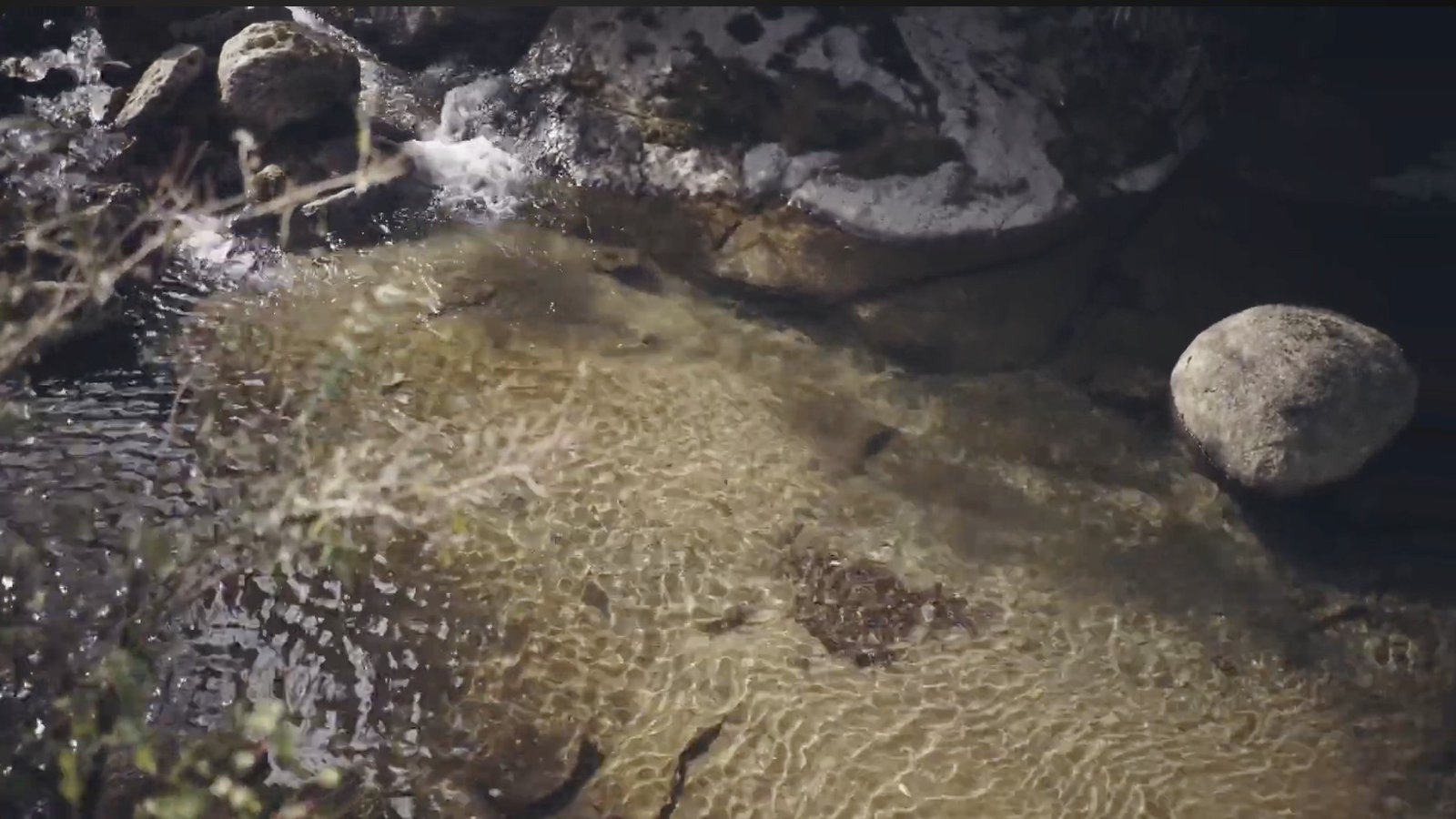
In November 2023, the first KUNI pilgrimage travelled from Aso through Miyazaki to Mount Hiei and Kurama. Entering these places, joining in prayer and spending time together brought a question into lived experience: what guides people as they make a life together, and bring a future into being?
The question reached beyond the intentions of those who had gathered. If a human life could be felt within the land, the lives of ancestors and the presence of others, what might begin from there? The journey touched the assumptions beneath education, money and collective decisions. The gathering itself became a place to explore them, through the relationships taking shape within it.
2023年11月、初めてのKUNIの巡礼は、阿蘇から宮崎を経て、比叡山、鞍馬へと続きました。土地に身を置き、祈りに加わり、ともに過ごす。歩くなかで問われていたのは、私たちが何に導かれて生き、人と力を合わせ、未来を生み出していくのかということでした。
その問いは、集まった人々の意図を越えていました。自分の生が、大地や祖先、他の存在と離れていないと感じられるところから、人はどう生き、何をつくるのか。教育や貨幣、共同体を支えている前提に、旅の経験が触れていく。最初の集いは、自分たち自身の関わりを通して、その可能性を探る場でもありました。
Aso · Oguni阿蘇・小国
The earth within the body大地を、身体に迎える
A rice ball offered in Aso held the field and its history within something simple. The earth that had grown it, the hands that had prepared it, the generosity of giving it: food had not ceased to be nature. To eat was to receive that life into the body. In the reflections that followed, that simple offering became a way to approach what people held in common.
This touched the beginning of community. People could bring their separate wishes together and negotiate what each would receive. There was also the possibility of attending to a life already shared, and allowing an intention to arise from that attention. The rice gave this possibility substance: the land was becoming part of the people, and of what could happen between them.
The gathering asked for a corresponding kind of preparation. Care was given to the conditions in which people could meet, while the outcome remained open. For those accustomed to deciding and directing, receiving could be difficult. Trust meant allowing the encounter to affect the intention one had brought.
阿蘇で差し出されたおむすびには、田の時間が感じられました。米を育てた大地、食べられるように整えた手、惜しみなく差し出す心。食べ物は、人の手を経ても、自然であることをやめていない。食べることを通して、そのいのちを身体に迎える。そのおむすびの記憶は、人がともに生きる土台を考える手がかりとなっていました。
それは、共同体のはじまりにも触れる経験でした。それぞれの望みを持ち寄り、何を受け取るかを話し合う。その手前で、すでに分かち持っている生に注意を向け、そこから意志が生まれるのを待つことはできるだろうか。おむすびは、その可能性に手触りを与えていました。土地が人の身体に入り、人と人のあいだに生まれるものにも、加わっている。
集いの準備も、そうした出会いを支えるものであろうとしていました。人がともにいられる条件に心を配り、何が生まれるかは開いておく。普段は決め、動かす側にいる人にとって、受け取ることは容易ではありません。持って来た意図そのものが、出会いによって変わる余地を残す。そのための信頼が必要でした。
Along the way · Miyazaki道の途上・宮崎
What belongs within a life一人の生に、含まれているもの
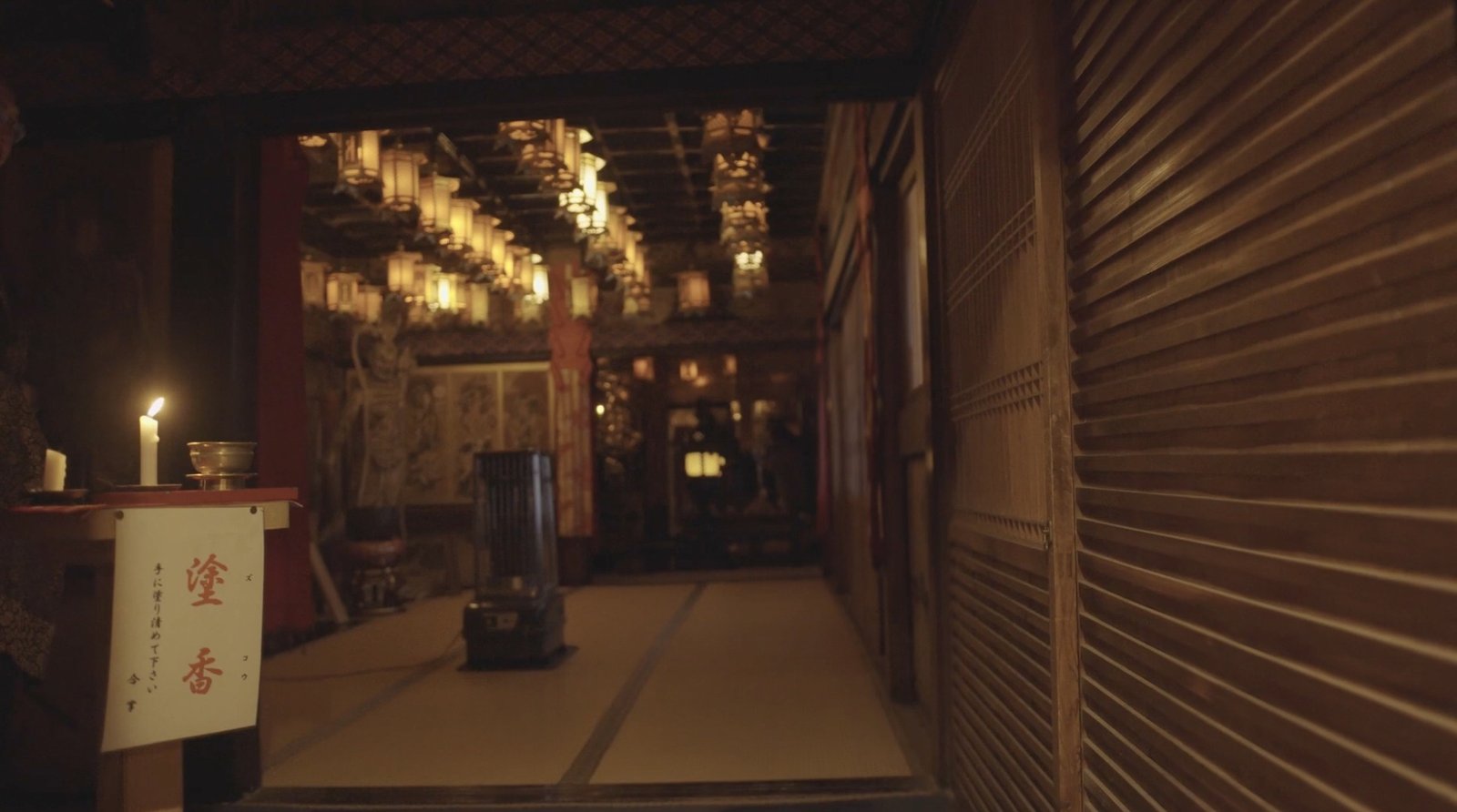
One introduction along the way began with Mount Taranaki, then a river, then a star. A personal name came afterwards. The person being introduced belonged within relationships that preceded an individual lifetime. A distant mountain had entered the gathering; meeting someone meant encountering the world through which they lived.
The journey continued through the gathering and ceremony at Heiwadai Park in Miyazaki. Different ways of addressing the sacred entered these days. Land and ancestry could be felt within the understanding of a self. The community being imagined extended beyond those physically present, towards the lives that had made the present possible and those still to come.
The relation between matsuri, communal ceremony, and matsurigoto, the work of governance, became a live concern. What was the ground from which people made decisions together? Turning towards a common source might change how an agreement arose. Different traditions and commitments remained present. The experiment was to discover what could become possible between people when they attended together to what sustained life.
旅の途上、ある自己紹介は、タラナキ山から始まりました。川が語られ、星が語られ、そのあとに、その人の名前がありました。一人の生よりも前から続く関係のなかに、その人がいる。遠い山が集いのなかに入ってきていました。誰かに出会うことは、その人が生きている世界に出会うことでもありました。
宮崎では、平和台公園の集いと祈りに加わりました。聖なるものへの異なる向き合い方が、この旅にありました。自分を捉える、その感覚の内に、土地や祖先との関わりが入ってくる。ともに生きる人の輪を、いま居合わせている人々を越えて、ここまで生をつないできた存在や、まだ生まれていない世代との関わりから捉え直す問いがありました。
祭りと、まつりごとの関わりが、切実なものになっていました。生の源へともに向き直ることが、人と合意を結ぶ、そのあり方を変えていくのではないか。異なる伝統を生きてきた人々が、それぞれの違いを携えたまま、いのちを支えるものへ注意を向ける。そのあいだに何が生まれるかを、集いそのものを通して探っていました。
Mount Hiei比叡山
The life within a formかたちに、いのちを通す
From the KUNI film archive · 2024KUNI映像記録より · 2024
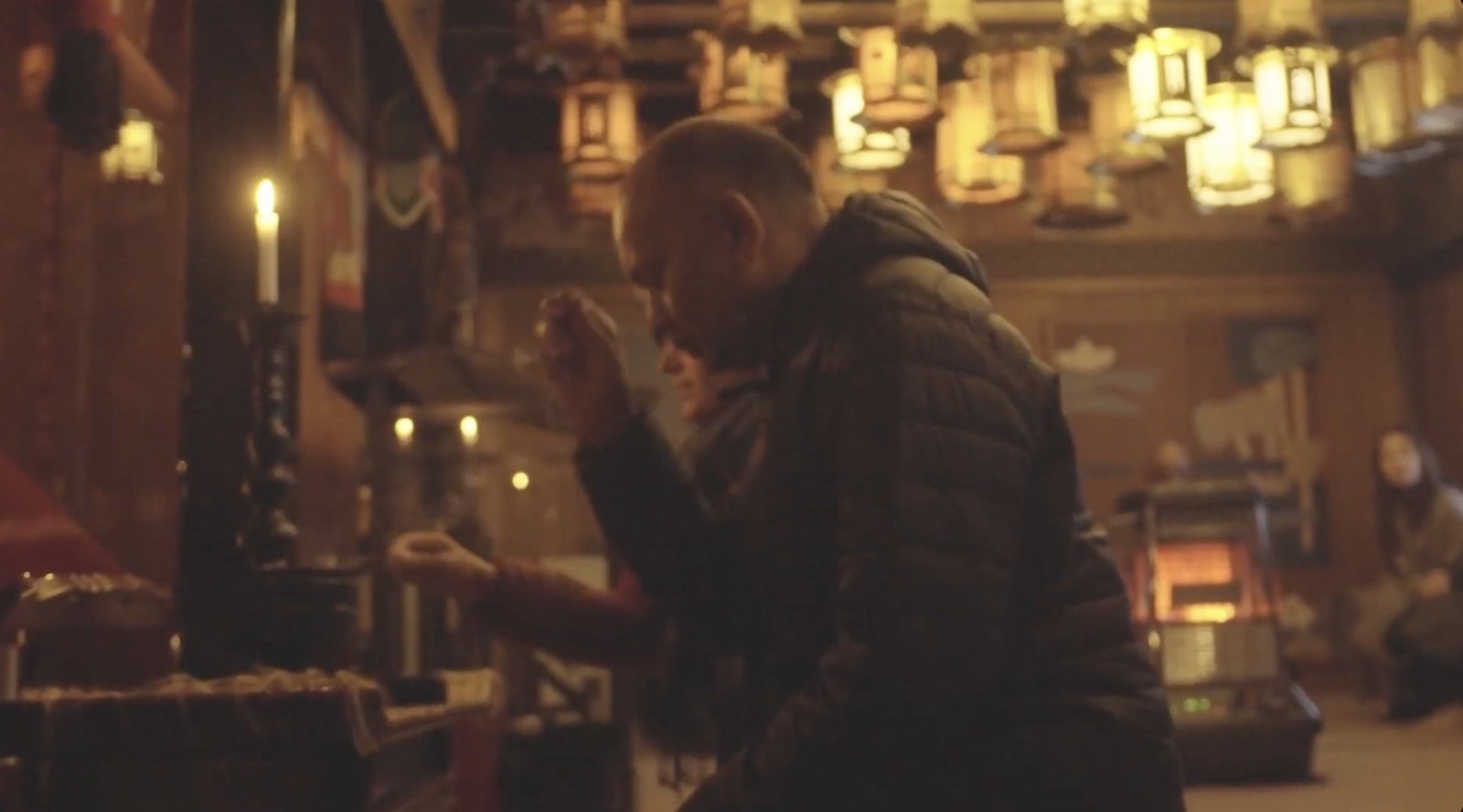
At Mount Hiei, the goma flames moved with the prayer. Awe and an inward peace arrived together. An inherited practice became immediate in a living body. The fire brought attention to the long work through which a wish, a discipline or a prayer can remain available to people who come much later.
To encounter that continuity was also to face its fragility. A ritual could preserve its shape and lose the life within it. Each return asked for participation, for consciousness to meet the form anew. The pilgrimage moved into the past and towards the future at once: something entrusted across centuries was being received now, and with it the responsibility of what might be handed on.
This did not settle how a society could be made from such an experience. Could a shared prayer become a new boundary, a source of division with those who did not share it? Lives filled by work, study and crowded trains also belonged within the inquiry. The force of ceremony made the work more exacting: how could what was alive here enter collective life without becoming another empty form?
比叡山で、祈りとともに護摩の炎が揺れていました。神聖なものへの畏れと、心の静けさが、ともに訪れる。受け継がれてきた営みが、いまを生きる身体に届く。その火の前で、ひとつの願いや修行、祈りを、はるか後に来る人にも開いておくための長い働きに触れていました。
続いてきたことは、これからも生き続けることを保証しません。儀式は、そのかたちを残したまま、空になりうる。繰り返しそこへ戻り、そのつど、自分の意識と身体をもって関わり直す必要がある。巡礼は、過去へ向かうと同時に、未来へ向かっていました。長い時間を通して託されたものを受け取り、自分たちは、何を手渡していくのか。
そこから社会をつくることの難しさも、残っていました。同じ祈りを共有することが、それを共有しない人との新たな境界や対立を生むことはないか。仕事や勉強、満員電車に日々を追われる生も、その社会のなかにある。儀式の力に触れた先に、その力を日々の営みにつなぐという課題がありました。ここに生きていたものを、またひとつの空のかたちにせず、共同の営みへどうつないでいけるのか。
Kurama · Giving and receiving鞍馬・与え、受け取る
What passes between people人から人へ、何が渡るのか
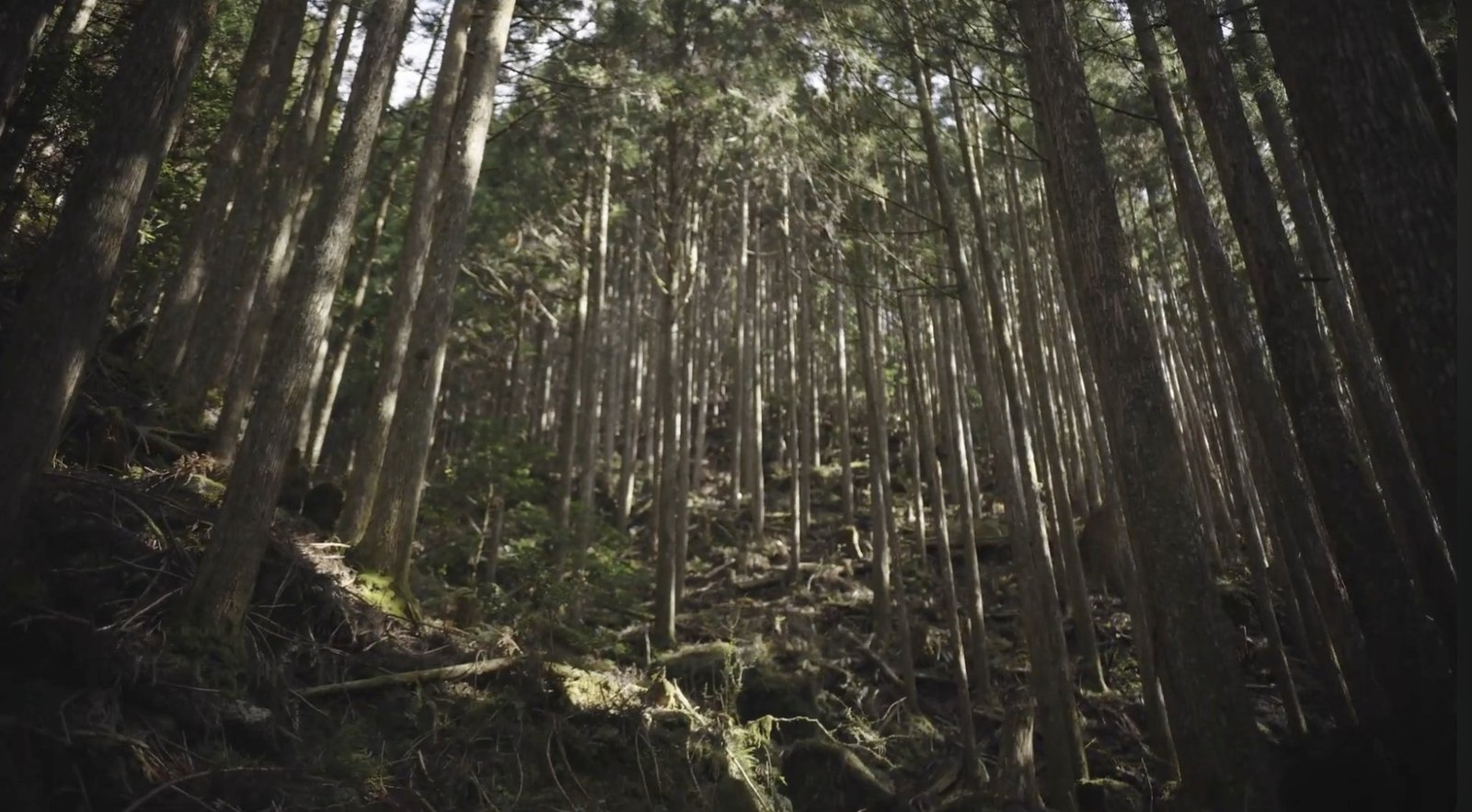
At Kurama’s Okunoin, two people shared a scarf and took one another’s hands to descend the steps. The hand offered in support felt the strength of the hand holding it. Giving and receiving were happening in the same movement. The exchange gave each step its possibility; the roles of helper and helped no longer held the whole of it.
In conversations after the journey, an image of prayer held in a strand of beads opened onto the idea of currency. What if what passed between people carried the power to act, to bring something into being? Money was being considered in relation to human will: how a shared intention becomes effective in the world. Alongside the allocation of limited resources lay the possibility of nourishing capacities through exchange. This was a question still being worked through, with the reality of giving and receiving close at hand.
鞍馬寺の奥之院で、二人が一本のマフラーを分け合い、手をつないで階段を降りていました。支えようと差し出した手に、握り返す手の力強さが伝わってくる。与えることと、受け取ることが、同じ動きのなかで起こっていました。支える人、支えられる人という役割だけでは捉えきれないものが、次の一歩を可能にしていました。
巡礼後の対話では、祈りを託された数珠の姿が、貨幣を考える手がかりになりました。人から人へ渡るものが、何かを生み出す力や、行為する力をも伝えるとしたら。お金は、人の意志との関わりから捉え直されていました。ともに抱いた願いが、世界に働きかける力を持つにはどうすればよいか。限られた資源を配分することとともに、やりとりを通して人の力を養う可能性がある。その思索の足元には、与え、受け取ることの実感がありました。
The inquiry continues続いていく探求
From this ground, to createこの土台から、生み出していく
The work of education was already underway in attending to another life, in learning how to give and receive. Asking how the experience might become an education was itself becoming an education. In the continuing conversations, work that materially benefited others, study and contemplative practice were brought together. Each called for time and attention. Learning could cultivate the inner life from which a person acted, alongside the knowledge and ability to act.
The conversations also brought sacred waters and emerging technology, including AI, into the same field of attention. What changes when technology is approached from a living relationship with the earth? A person building an enterprise or developing a technology carries assumptions about what life is and what has value. Those assumptions could themselves be reconsidered. The inquiry concerned the consciousness from which something new is made, as much as what it can do. It asked for a willingness to remain in relationship with what could not be fully predicted or controlled.
KUNI itself needed lodging, meals and transport, people’s time and labour. These material conditions belonged within the inquiry. The gathering was offered as a gift; sustaining it called for a freely chosen participation in what was coming into being. What could each person contribute, and how could those gifts support a common life? The pilgrimage had opened a ground from which to work together. The relationships, practices and institutions that might grow from it still asked to be discovered and lived.
他の人の生き方に触れ、与え、受け取ることを学ぶ。そのなかで、教育はすでに始まっていました。この経験をどのような教育につなげられるかと考えること自体が、教育になっている。続く対話では、誰かの役に立つ仕事と、学びと、内面を見つめる実践に、それぞれ時間を注ぐことが考えられていました。知識や能力を育てるとともに、その人が何に導かれて行為するかという、内なる生も育てていく。
聖なる水と、AIを含む新しい技術も、同じ思索のなかに置かれていました。大地との生きた関わりから技術に向き合うとき、何が変わるのか。事業や技術を生み出す人は、いのちとは何か、何に価値があるのかという前提を、その仕事のなかに持ち込んでいる。その前提にも、問いを向けることができる。何ができるかとともに、どのような意識からそれを生み出すのかが、探られていました。予測も制御もしきれないものとの関わりを閉じずに、何を生み出せるのか。
KUNIにも、宿や食事、移動を支える費用と、人の時間や働きが必要でした。そうした現実も、この試みのなかにありました。集いを贈りものとして差し出した、その先で、ともに生まれつつあるものをどう支えていくか。一人ひとりが自由に差し出せるものは何か。それらが、共同の生をどう支えていけるのか。巡礼は、ともに働き始めるための土台をひらきました。そこから育つ関係や実践、社会のかたちは、なお、自分たちの生を通して見つけていく途上にありました。
About this recollectionこの記録について
Drawn from participants’ written reflections and notes of conversations after the journey.参加者が書き残した回想と、旅のあとに交わされた対話の記録をもとにしています。
The photographs accompanying this recollection are drawn from the KUNI film archive, recorded in 2024.写真は、2024年に撮影されたKUNIの映像記録から選んでいます。