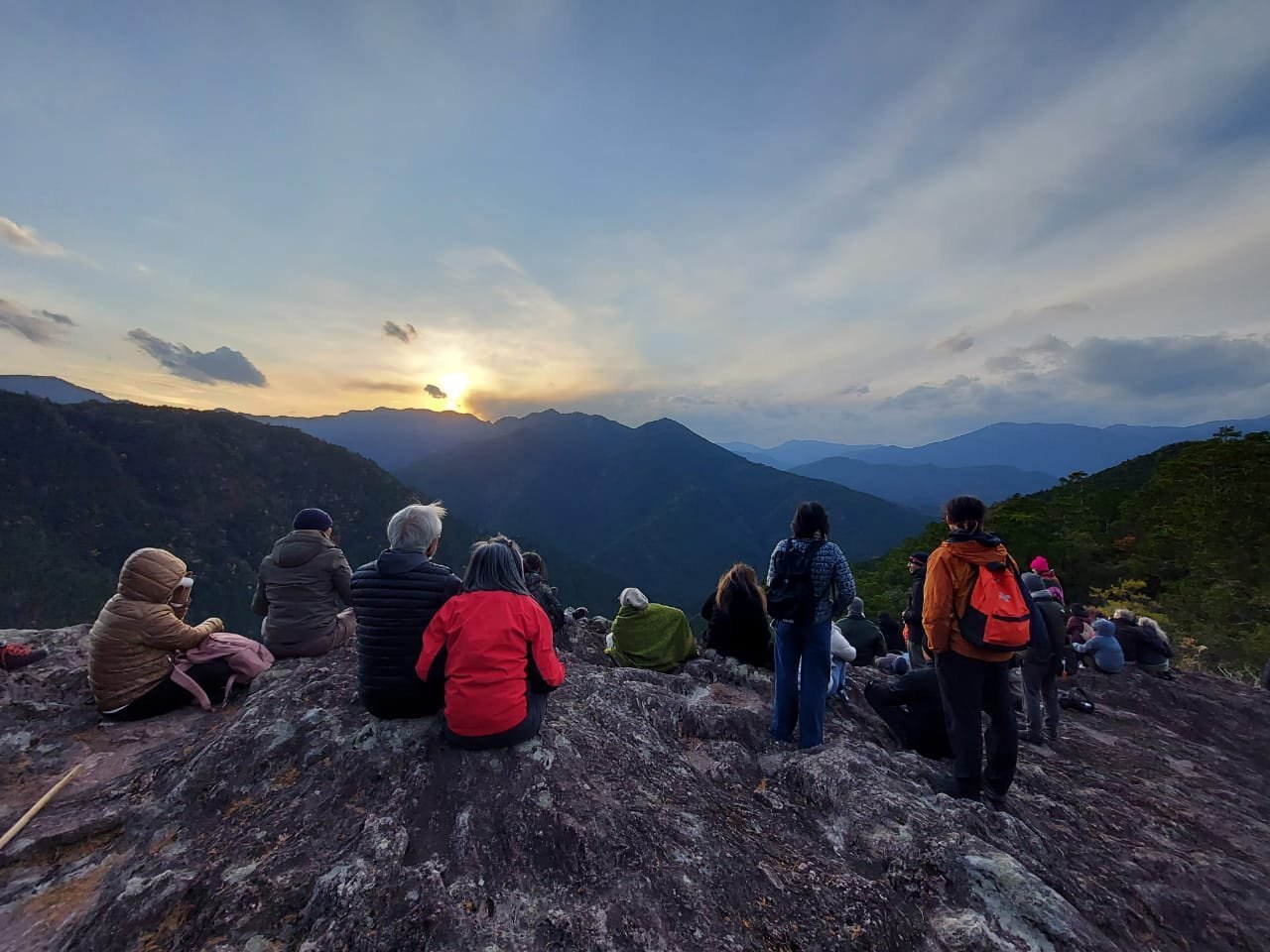
A PILGRIMS’ GATHERING
KUNI
Walking Japan’s pilgrimage paths,
in the company of different generations.ともに歩き、集い、
世界との関わりを問いなおす。
A gathering on the path巡礼の道に集う
KUNI is a pilgrimage and gathering in Japan. People from different lands, generations and fields of practice come together to walk, visit places of prayer, share meals, and spend time in conversation and silence.
KUNIは、日本の巡礼の道をともに歩き、数日間を過ごす集いです。国内外から、土地や世代、仕事、信仰の異なる人々が集まります。道を歩き、祈りの場を訪ね、食事をともにし、輪になって語る。言葉を交わさずに過ごす時間もあります。
Each person arrives with questions carried from daily life: what their work serves, how they live with the land, what they have received and what they will pass on. These questions take their place among older paths and practices, and among people whose lives have taken different directions.
それぞれが、いま生きている日々の問いを携えています。続けている仕事は何を支えているのか。土地とどう関わって生きるのか。何を受け取り、何を手渡していくのか。その問いを、古い道や受け継がれてきた営み、異なる歩みを重ねてきた人との関わりのなかに置いてみます。
About KUNIKUNIについてThe questions we bring携えている問い
KUNI grew from an effort to reconsider the social and economic arrangements we often take for granted, and the ways we relate to people and the natural world. The questions reach beyond any one profession or generation. They ask how we might live together, and what the lives we are building depend upon.
その始まりには、社会の仕組みや経済のあり方を当然のものとせず、人や自然との関係を問いなおそうとする思いがありました。ひとつの専門や世代のなかだけでは考えきれない問いを、ともに生きる人々のあいだへ持ち出す。そのための場を、巡礼の道に求めてきました。
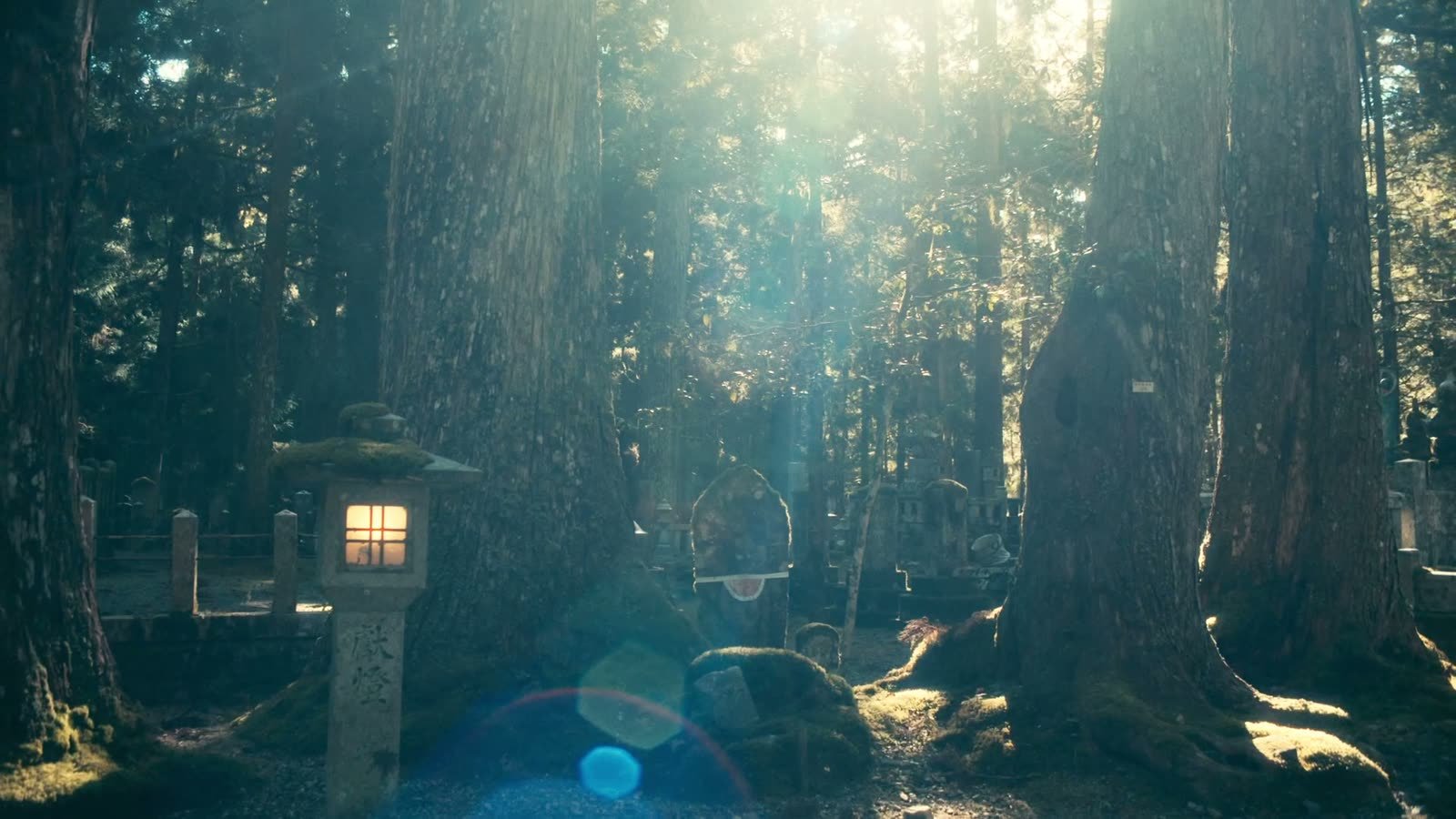
Walking gives those questions a bodily setting. The pace of the path, weather, fatigue and another person’s presence enter the conversation. In Kumano and Koyasan, the gathering also meets places of prayer and daily practice that have been cared for across generations. The land has a life and history beyond our reasons for coming.
その問いを、歩く身体を通して受けとめます。道の起伏、天候、疲れ、隣を歩く人の気配。熊野や高野山では、幾世代にもわたって守られてきた祈りや、いまも続く日々の実践に出会います。この土地には、私たちが訪れる以前から続く歴史と営みがあります。
Time togetherともに過ごす時間
The gathering moves between walking, visiting places of prayer and sitting together in circles. Silence may continue before anyone speaks. A conversation can begin with something encountered on the path, a question someone has brought, or the act of listening to another person.
道を歩く時間、祈りの場を訪ねる時間、輪になって座る時間が、集いを形づくります。言葉を交わさずに歩くこともあれば、誰かが話し始めるまで静かに過ごすこともあります。歩いているあいだに感じたこと、持ってきた問い、人の話を聴いて心に浮かんだことから、対話が始まります。
This openness is supported by preparation and daily care. Organisers attend to practical arrangements, the pace of the group and the circumstances of the place. Some things need to be settled beforehand; others become apparent through time together. The experience is held with care, without deciding in advance what everyone should understand or take away.
こうした時間を支えるために、準備や日々の世話があります。運営にあたる人々は、移動などに必要な手配をしながら、集まった人の歩調や、その土地の状況に注意を払います。先に決めておくことと、ともに過ごすなかで見えてくることの両方を受けとめる。一人ひとりが何を感じ、何を持ち帰るかを決めつけずに、その時間を支えます。
Read the pilgrims’ accounts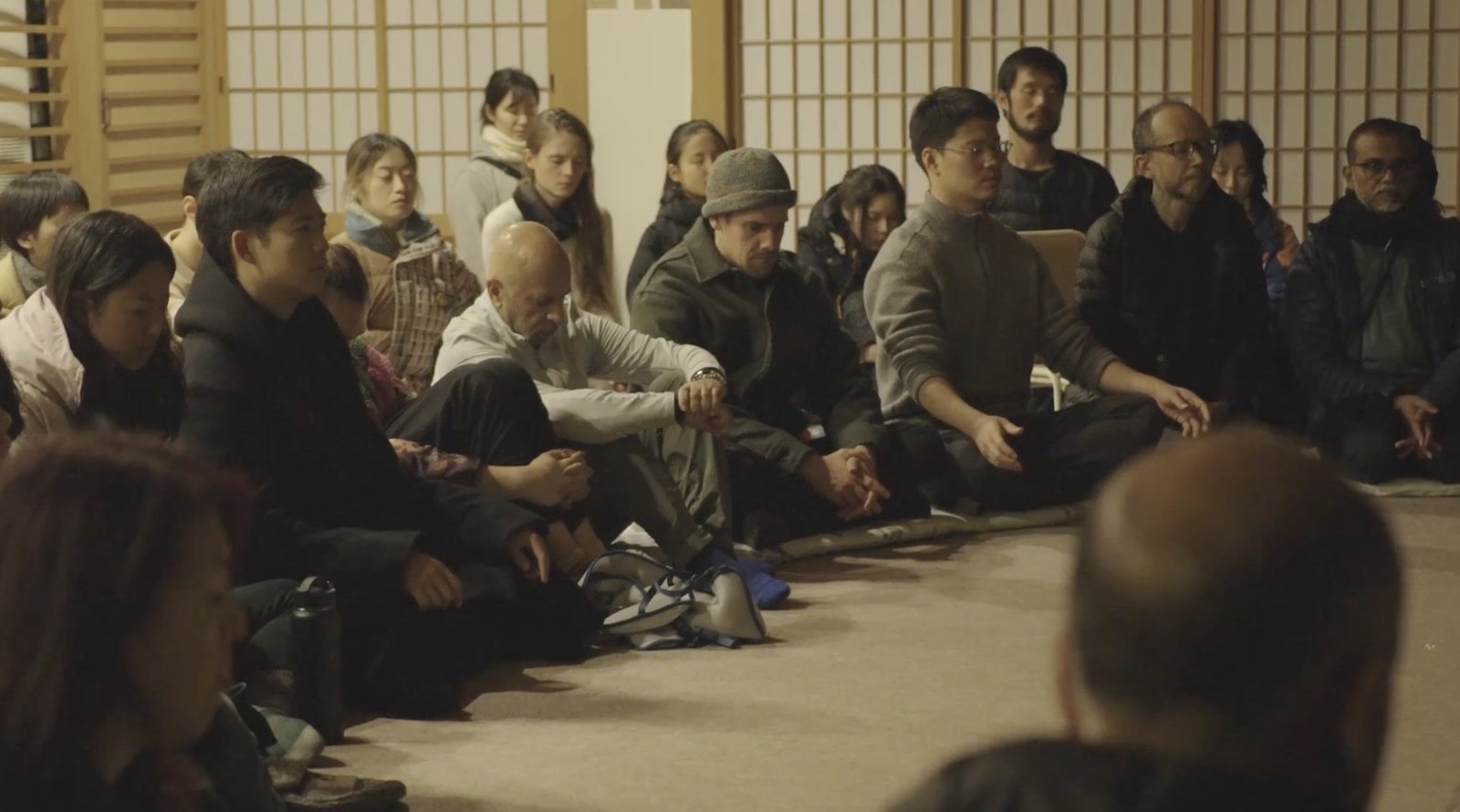
Across the yearsこれまでの集い
The route and the people change from year to year. These records offer a view of where KUNI has gathered, what people did together, and the questions that accompanied them.
歩く場所も、集う人々も、年ごとに変わります。どこを訪れ、どのように過ごし、何を問いかけてきたのか。これまでの集いを、年ごとの記録からご覧いただけます。
Holding the gathering集いを支える
KUNI carries an inquiry into how we live and work together. The forms we create can sustain what matters to us, and can also limit it. The pilgrimage, and the way it is held, offer a place to keep this question open with those who arrive.
人がともに生き、働くためにつくるかたちは、大切なものを支えると同時に、それを狭めてしまうこともあります。KUNIの巡礼と、その集い方には、この問いが流れています。ここに来る人とともに、その続きを探っています。
A PILGRIMS’ GATHERING
KUNI 2026
Listening to what came before,
entrusting what comes to the steps ahead.古に耳を澄まし、
未来の歩みにゆだねる。
7–13 December 2026 · Kumano & Koyasan2026年12月7日 — 13日 · 熊野・高野山
Read the invitation & apply呼びかけと参加のご案内The 2026 visual essay2026年の映像的な序章 ↗