AN INQUIRY · KUNI

A question
held open

Read on
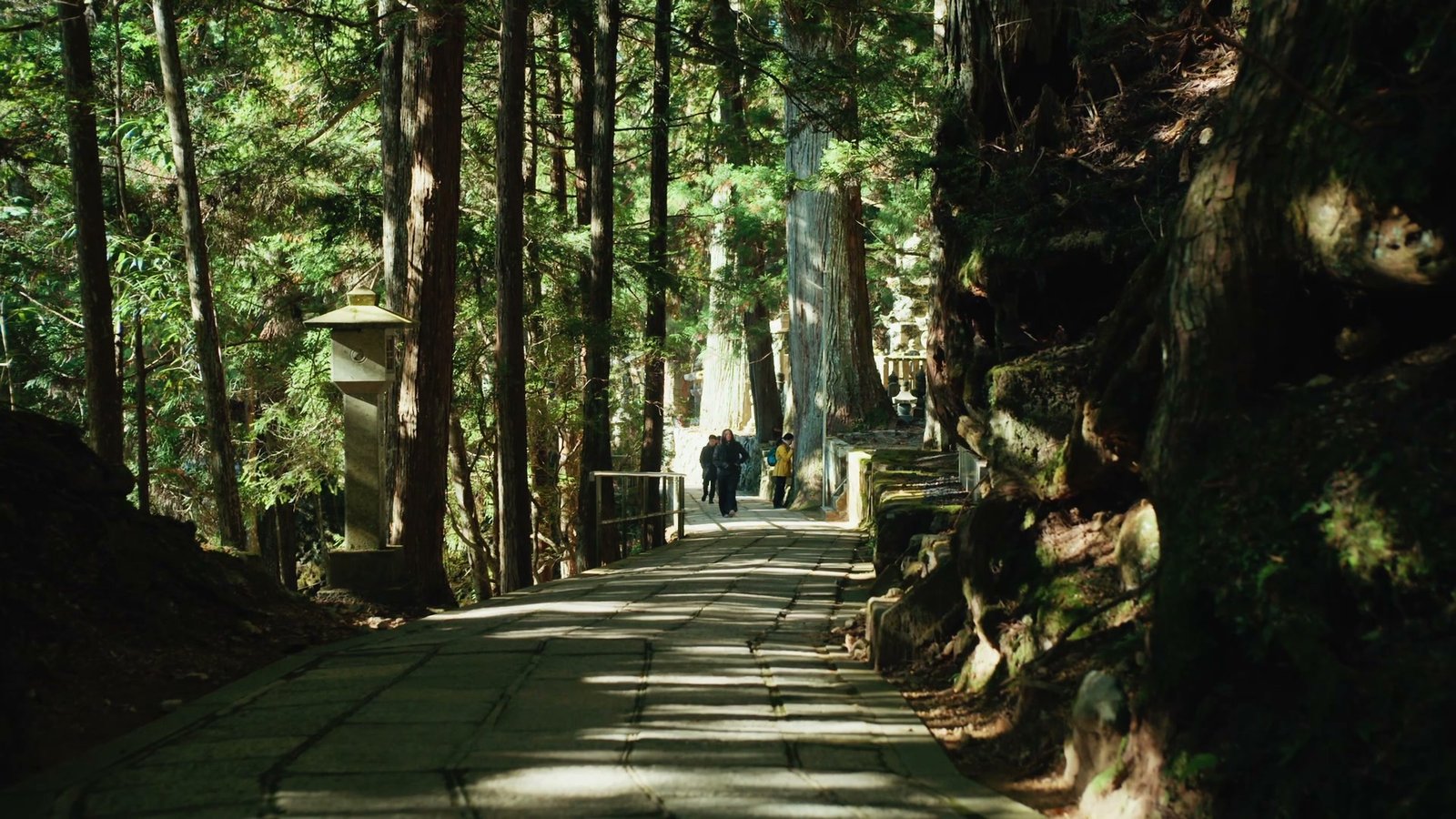
Several people walking along a path between large trees

What do the forms we create to live together make possible, and what do they leave unseen? This question runs through the pilgrimage of KUNI.

01

An intention takes form

Something begins with a wish. People gather, responsibilities take shape, and ways are found to keep the work going. Through these forms, what no one could do alone becomes possible. Something can be passed on beyond the life of the person who began it.

Yet preserving a form can come to take precedence over the intention that gave it life. A boundary drawn to bring people together can separate them. A role intended to support someone can limit what they are able to become. In the way we organise ourselves, we can repeat the very relationships we hoped to change.

This question reaches far beyond the organisations of our own time. It belongs to millennia of making places of prayer, living in communities, learning and working together. How can inherited forms remain alive to what is coming into being?

However carefully the words and plans are prepared, an encounter with another person does not unfold as written. As people walk, listen and come to recognise one another, the gathering itself changes. KUNI must keep making room for this, allowing what happens between people to reshape the arrangements prepared for them.
02

The name KUNI

Mountains and water; people making a life; prayers and stories passed between generations. A place is held in relationships between the visible land, those who live there, and what cannot be seen. These are some of the relationships we listen for in the word kuni.

Kuni is often translated as “country” or “land.” In choosing the name, we were drawn to a question: what sustains the human world? Much of what makes our lives possible was received from people we will never know. Coming together from different lands, we turn towards that inheritance and ask what forms of life might grow from it.

We have not tried to settle a single answer within the name. What KUNI holds continues to change through walking, encounter and the stories people bring.

03

Entering the path

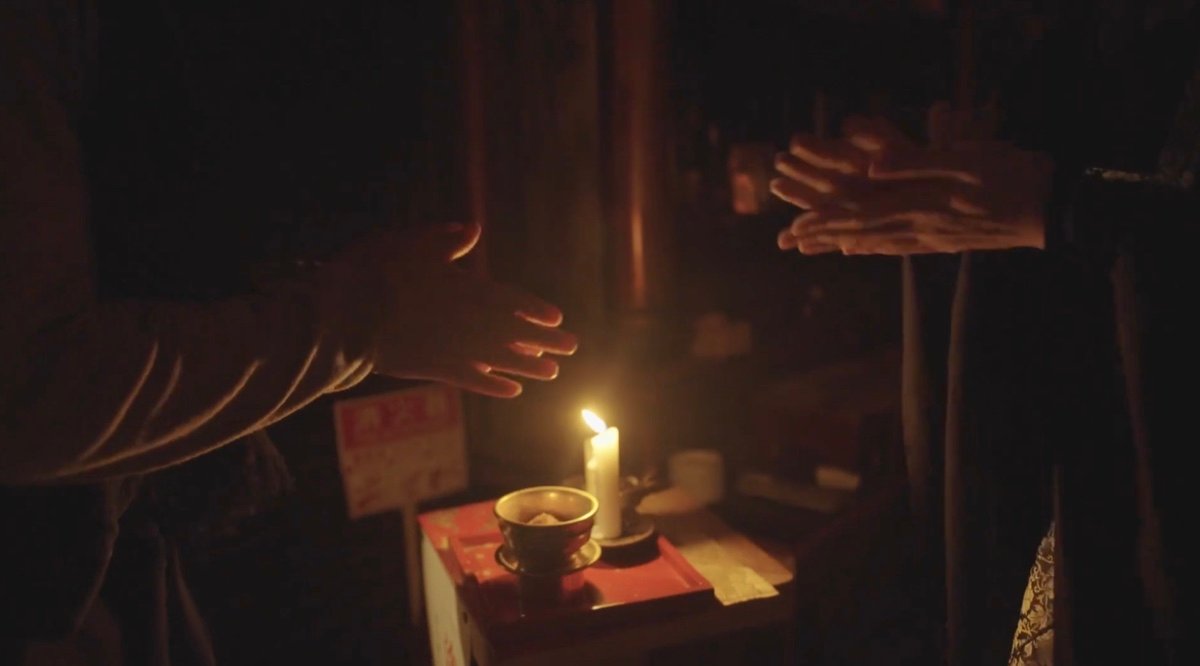
Hands beside a candle and a small bowl in a temple.

The time we spend in Kumano and Koyasan belongs within a continuity of care far older than KUNI: tending the way, keeping places of prayer, receiving those who arrived. Without that long inheritance, we would not be walking here. Something has been preserved, and because of it, an encounter can happen for the first time. We enter both conditions together.

Walking can change a thought. Something another person says can change how familiar work appears. Someone notices a tired body and slows their pace; a silence in the circle changes the words that follow. Where can we draw the line between what happens within a person and what happens between people?

Questioning how we live, creating work, considering the shape of society: activities often treated separately begin to meet again through the walking body and its relations with a place. Can we allow this without deciding beforehand what should emerge? Pilgrimage offers time to live the question together as well as think about it.

04

From different paths

Two people had been approaching this inquiry from different directions. One had spent many years alongside people creating new forms of work in society, helping younger people begin and watching their initiatives take root. Questions about building organisations and ventures became inseparable from questions about the people living through them. Encounters with Indigenous communities opened this inquiry into longer relationships with land and ancestors.

The other had studied philosophy and worked in investment before leaving to travel. He visited different traditions of thought and practice, spent time in contemplative discipline in the Himalayas, and returned to Japan to make places of shared inquiry with younger people. How does what we learn enter our everyday choices, our relationships and our work? The journey continued in these questions.

When the two met, they began listening to this inquiry together. They were finding people in different parts of the world carrying related questions through their own practices. In time, those people came from overseas and walked the old paths of Japan with them, leaving room for the people and places they encountered to change both the inquiry and the gathering itself.

05

Received by the path

When the world is unsettled, we gather what we know, make plans and do what we can. Yet there are times when what we already know cannot tell us what to care for or where to turn. We walk carrying our questions and intentions, leaving ourselves open to what we have not yet noticed. Pilgrimage makes time for this.

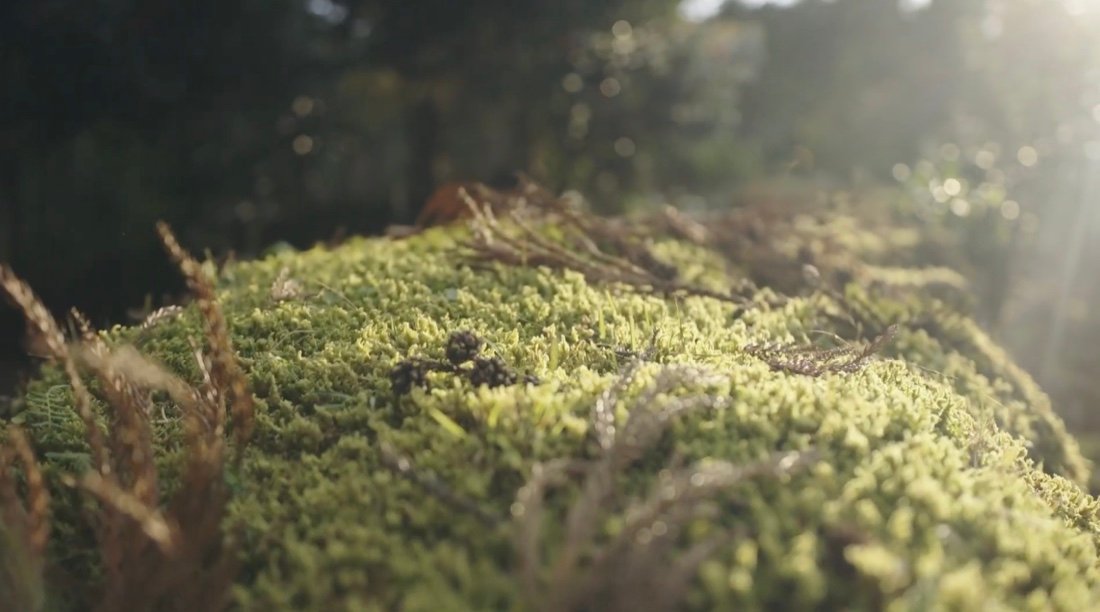
Sunlight falling across the small leaves of moss.

Rain enters the soil, roots hold a stone, fallen leaves nourish another life. Among them lies a path, and a place where people have brought their prayers. The life of the land continues also in the body that breathes, drinks water and walks. Today we are received in places tended by people no longer here, where prayer has continued across generations.

What those who first opened this place entrusted to a time they would never see—what is it meeting here, now? Contact with an inherited prayer may stir something in us that has not yet found words. We may arrive knowing what we wish to ask, and find ourselves beginning to ask what is calling for our response.

What we have received may remain unclear, slowly finding an outline through the words and silences of those walking with us. Memories of different lands, the experience of different generations, what someone cannot yet say: between them, something may begin that no one could have imagined alone. The person who takes a first step, and the person who notices and makes room for it, may both be changed by what happens.

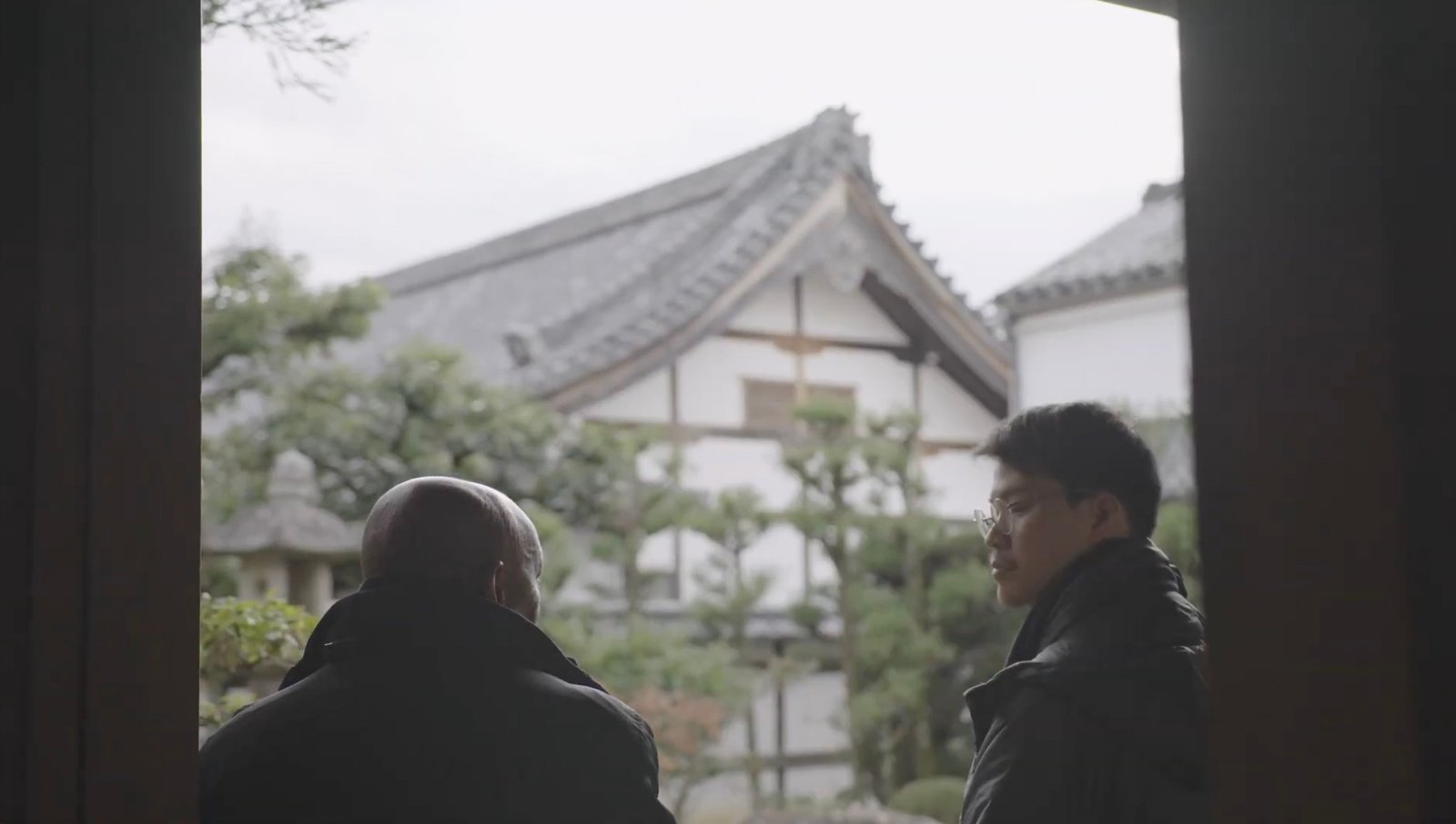
Two people in conversation at a doorway overlooking a garden.

Walking an old path may also open room in our lives for what is still to come. Something encountered here may one day become a piece of work, or an act of care, in another place. Unable to trace all that we receive or where it will go, we nevertheless take part in its continuation. Received by the path, we learn to receive what we have not yet met. We walk together in that opening.

Places along the way